

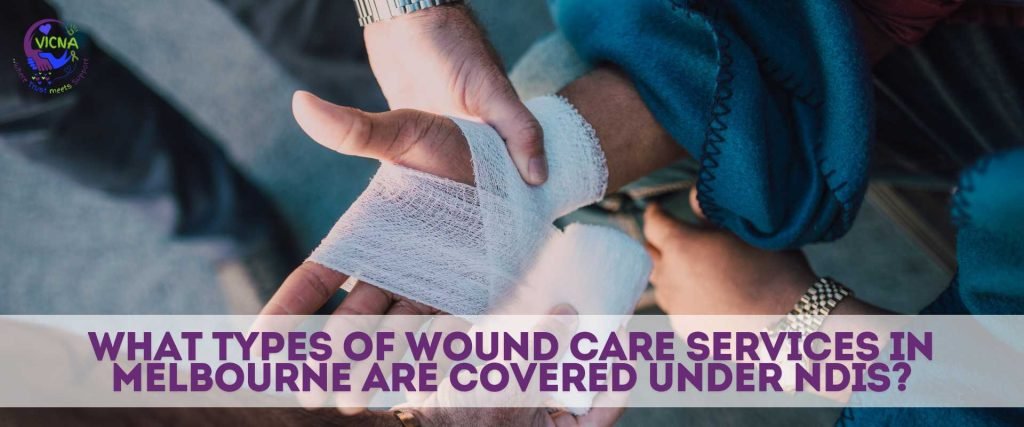
Wound care is an essential part of maintaining good health, especially for individuals with disabilities who may face challenges in managing their own care. The National Disability Insurance Scheme (NDIS) provides funding for various healthcare services, including wound care, to help eligible participants recover from injuries, manage chronic conditions, and prevent complications.
If you or a loved one requires wound care services in Melbourne, understanding what’s covered under NDIS and how to access the right support is crucial. This guide explains the different types of wound care available, who qualifies for funding, and how to choose a provider that meets your needs.
How NDIS Supports Wound Care in Melbourne
The NDIS is designed to support people with disabilities by funding necessary healthcare services, including wound care services in Melbourne. Whether it’s a chronic condition, post-surgical recovery, or an injury that requires ongoing care, NDIS ensures participants receive professional treatment to aid healing and improve their quality of life.
A skilled wound care provider helps manage wounds effectively, reducing the risk of infections and promoting faster recovery.
Who Is Eligible for NDIS Wound Care?
To receive NDIS funding for wound care, a participant must:
- Have a disability that affects their ability to care for wounds
- Require professional wound management for recovery or ongoing care
- Need assistance with dressing changes, infection prevention, or post-surgical care
- Be at risk of developing complications due to mobility issues or medical conditions
A medical assessment and supporting documentation from a healthcare professional can help determine eligibility for these services.
Types of Wound Care Services Covered by NDIS
NDIS covers a variety of wound care services, depending on the participant’s condition and level of need. Here are the most common types of wound care included in the scheme.
Chronic Wound Management
Some wounds take longer to heal due to underlying conditions such as diabetes, poor circulation, or immobility. These require ongoing monitoring and treatment to prevent infections and complications.
Chronic wound care services include:
- Regular assessments and cleaning
- Application of advanced dressings
- Pain management strategies
- Infection control and prevention
A professional wound care specialist ensures that participants receive proper treatment to promote healing and reduce discomfort.
Post-Surgical Wound Care
Recovering from surgery requires careful wound management to prevent infections and ensure proper healing. NDIS covers services such as:
- Dressing changes and wound monitoring
- Stitches or staple removal
- Pain management
- Scar care and infection prevention
Post-surgical wound care helps participants recover safely and avoid complications.
Pressure Injury Prevention and Treatment
People with limited mobility are at risk of developing pressure sores from prolonged sitting or lying in one position. Without proper care, these injuries can become serious. Services for pressure injuries include:
- Use of pressure-relief mattresses and cushions
- Regular repositioning to reduce pressure on affected areas
- Application of wound dressings and treatments
- Ongoing monitoring to prevent further complications
Specialized wound care providers help individuals manage and prevent pressure injuries effectively.
Diabetic Wound Care
Diabetes can slow down the healing process, making wound care essential for preventing infections and severe complications. Diabetic wound management includes:
- Regular foot checks to detect wounds early
- Removal of dead tissue to promote healing
- Application of specialized dressings
- Infection control and pain management
Participants with diabetes should work with experienced wound care providers to ensure proper treatment and long-term wound management.
Burn and Skin Graft Care
Burns and skin grafts require special attention to heal properly and prevent scarring. NDIS supports treatment plans that include:
- Cleaning and dressing application
- Scar management and prevention
- Pain relief treatments
- Post-surgical wound care for skin grafts
Proper care minimizes complications and helps with recovery.
Infection Control and Wound Monitoring
Infections are one of the biggest risks associated with wounds. A wound care specialist provides:
- Regular wound assessments
- Application of antimicrobial dressings
- Education on wound hygiene and self-care
- Coordination with doctors for additional treatments if necessary
These services ensure wounds heal safely while minimizing the risk of serious infections.
How to Access NDIS Wound Care in Melbourne?
If you need wound care under NDIS, follow these steps:
Step 1: Discuss Your Needs with an NDIS Planner
Your NDIS planner or Local Area Coordinator (LAC) can help you determine whether wound care services should be included in your plan. Providing a medical report from your doctor can strengthen your request.
Step 2: Find a Registered Wound Care Provider
Choosing the right provider ensures you receive high-quality care. Consider providers that offer:
- Experienced wound care specialists
- Home-based or clinic-based treatment options
- Personalized care plans
- Positive reviews from other NDIS participants
Step 3: Begin Your Wound Care Plan
Once your funding is approved, the provider will assess your condition and develop a customized treatment plan.
Choosing the Right Wound Care Provider in Melbourne
Selecting a skilled wound care provider is essential for receiving effective treatment. Here are some things to consider:
Experience and Accreditation
Look for providers who are NDIS-registered and have extensive experience in wound care management.
Home and Community Services
If mobility is a challenge, consider providers that offer home-based wound care services for added convenience.
Personalized Treatment Plans
Each person’s needs are different, so it’s important to work with a provider who customizes care plans based on individual conditions.
Availability and Emergency Support
Some wounds require urgent care. Choose a provider who offers flexible scheduling and emergency services when needed.
Why Professional Wound Care Matters?
Proper wound care is essential for:
- Faster healing and reduced complications
- Lower risk of infections and hospitalizations
- Improved comfort and mobility
- Better overall quality of life
With professional care, NDIS participants can manage their conditions more effectively and focus on maintaining their independence.
Conclusion
For people living with disabilities, access to wound care services is vital for maintaining good health. The NDIS covers a range of wound treatments, ensuring participants receive the right support for managing chronic wounds, surgical recovery, diabetic wounds, pressure injuries, and more.
By choosing a skilled wound care provider, individuals can receive high-quality treatment tailored to their specific needs. If you or someone you care for requires NDIS-funded wound care services, reach out to a qualified provider today to discuss your options.