

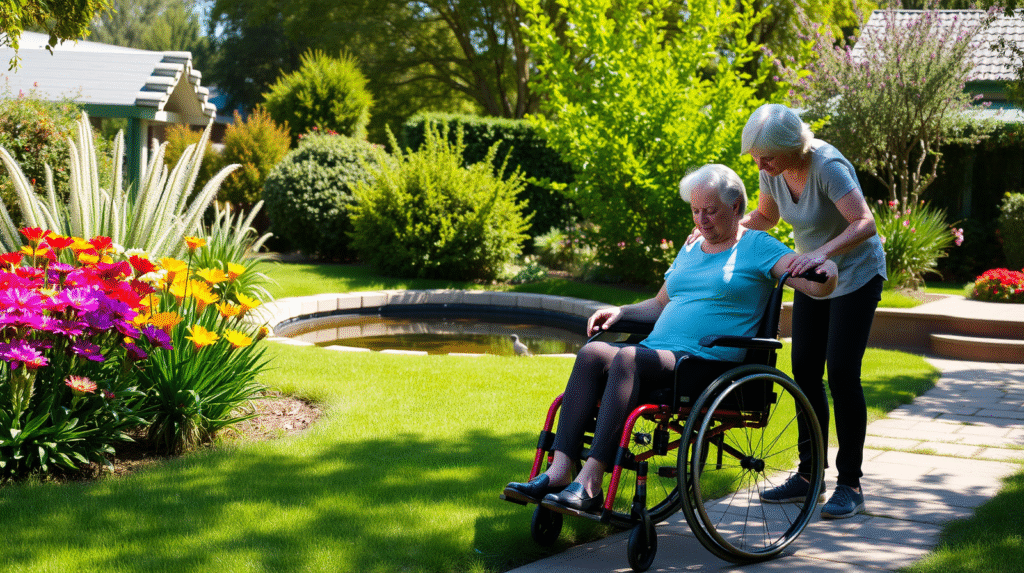
Gardening and outdoor maintenance can help people with disabilities stay active, enjoy fresh air and maintain a safe home environment. In Rosebud, the National Disability Insurance Scheme (NDIS) can fund these activities when they support a participant’s goals. This article explains who can use gardening support, what it covers, how funding works, and how to get started.
What Gardening and Outdoor Maintenance Support Is and Who It Helps
NDIS gardening support is a specialised service that assists participants with tasks that would otherwise be too difficult or time‑consuming. It is designed for people who need help to keep their gardens, lawns, and outdoor areas safe and tidy. The support can be used by anyone who can demonstrate that it contributes to their overall disability plan.
Typical Tasks Covered
Typical activities include:
- Weeding, pruning and trimming plants
- Watering lawns and flower beds
- Removing litter and debris
- Maintaining safety features such as fencing or pathways
- Preparing garden beds for seasonal planting
- Using assistive equipment for mobility or strength support
These tasks are carried out by a trained service provider who follows the participant’s plan and any safety instructions.
Eligibility and Access Rules
Who Qualifies for Gardening Support
To qualify, a participant must:
- Be registered with the NDIS and have an active plan
- Show that gardening and outdoor maintenance are necessary to achieve a specific goal, such as improving physical activity, maintaining independence or preventing injury
- Have a documented need that cannot be met by family or friends alone
Gardening support is not available for general hobby purposes; it must be linked to a disability-related goal.
How to Access the Service
Participants can request gardening support through their plan manager or support coordinator. The request must be written in the plan and include:
- A clear description of the tasks
- The frequency and duration of support
- Any required equipment or adaptations
Once the plan is updated, the participant can engage a registered provider who offers gardening services.
What Is Included and What Is Not Included
Included Activities
The following activities are generally funded under the gardening support category:
- Direct hands‑on assistance with the tasks listed above
- Use of specialised tools that help participants with limited mobility
- Safety checks to ensure the outdoor area remains hazard‑free
- Basic maintenance of garden infrastructure, such as repairing a fence
Excluded Activities
Activities that are not covered include:
- Professional landscaping or large‑scale garden design
- Purchasing plants, seeds or large equipment not needed for the participant’s specific tasks
- Any activity that is purely recreational and not linked to a disability goal
- Services that exceed the price limits set by the latest NDIS Pricing Arrangements and Price Limits
Funding and Planning Considerations
How It Is Funded Under the NDIS
Gardening support is funded as a core or capacity building activity, depending on the participant’s plan type. The cost is capped by the latest NDIS Pricing Arrangements and Price Limits. The provider must submit invoices that match the approved rates, and the participant’s plan will cover the agreed amount.
Budgeting Tips
- Plan the support in advance to avoid exceeding the budget
- Keep a record of all tasks and hours worked; this helps with accurate invoicing
- Discuss any changes in the participant’s needs with the plan manager promptly
- Consider combining gardening support with other outdoor activities, such as exercise or social visits, to maximise the benefit
How to Request and Activate the Support
Step‑by‑Step Process
- Review Your Plan. Look at the goals and activities listed under gardening or outdoor maintenance.
- Write a Request. Include the specific tasks, frequency, and duration. Submit this to your plan manager or support coordinator.
- Provider Selection. Search for a registered provider in Rosebud or nearby areas. You can use local directories or ask for recommendations.
- Service Agreement. Sign a service agreement that outlines the tasks, hours, and rates. Ensure the rates do not exceed the pricing limits.
- Start the Service. The provider will begin work on the agreed dates. Keep a log of hours and tasks for future reference.
- Review and Adjust. Periodically review the service with your plan manager to confirm it still meets your goals.
Working with a Service Provider
Providers should:
- Be registered with the NDIS and hold current qualifications for gardening support
- Have a clear safety plan for working in outdoor environments
- Provide a written service summary after each session
- Communicate any changes in the participant’s condition or needs promptly
For more information on home care supports in Rosebud, see what the NDIS can offer, what you need to know, and everything you need to know.
Local Context – Rosebud and Nearby Areas
Rosebud
Rosebud offers a variety of community gardens, parks and beachside spaces. Many participants use gardening support to maintain private gardens or volunteer in community plots.
Belgravia
Belgravia is a neighbouring suburb with lush residential gardens. Residents often collaborate with providers in Rosebud for seasonal maintenance.
Chelsea
Chelsea’s coastal location means outdoor maintenance can involve tide‑related tasks, such as clearing driftwood or maintaining beach access paths.
Pimlico
Pimlico’s mixed residential and commercial areas provide opportunities for participants to assist with small outdoor spaces, such as office gardens or local cafés.
Frequently Asked Questions
- 1. Can I use gardening support if I only need occasional help with weeding?
- Yes, as long as the task is linked to a disability goal and the frequency is documented in your plan.
- 2. Are there limits on how many hours of gardening support I can receive?
- The number of hours is capped by the budget approved in your plan and the pricing limits set by the NDIS.
- 3. Do I need to provide my own gardening tools?
- Providers typically bring their own tools, but you can request specific equipment if it is essential for your safety or independence.
- 4. What if the garden tasks change over time?
- You should update your plan with your support coordinator to reflect new tasks or changes in frequency.
- 5. Can gardening support be combined with other outdoor activities, like exercise?
- Yes, you can bundle gardening with other approved activities as long as each activity is clearly documented in your plan.
Disclaimer: This article is general information only. Check your plan and speak with your planner or support coordinator.