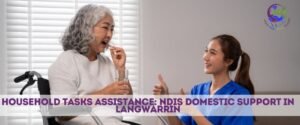


Home‑care services help you live independently and safely in your own home. In Rose Bud, the NDIS provides funding for support workers who assist with daily tasks, household chores and personal care. This guide explains who is eligible, what services are funded, how the funding is calculated, and the steps you need to follow to book your support.
Eligibility for Home‑Care Supports
To be eligible for home‑care supports you must:
- Be registered on the NDIS and have a plan that includes home‑care items.
- Have a genuine need for assistance with daily living activities such as washing, dressing, feeding or medication management.
- Be able to demonstrate that the support will improve your health, well‑being or social participation.
Home‑care supports are typically included under the Daily Living and Social Participation categories of the NDIS plan. If you are unsure whether your activities qualify, discuss your situation with your planner or support coordinator.
What Home‑Care Services Are Funded
The NDIS funds a range of activities that you can ask a support worker to do. These include, but are not limited to:
- Assistance with bathing, showering, toileting and dressing.
- Meal preparation and feeding, including feeding for people with dysphagia.
- Household cleaning and laundry, where the tasks are essential for maintaining a hygienic environment.
- Medication management and reminders.
- Support with daily living routines such as morning and bedtime routines.
These services are covered under the Daily Living and Social Participation funding categories. The NDIS does not fund general cleaning of the house (e.g. sweeping or dusting) unless the activity is directly related to maintaining a safe, hygienic environment for the participant.
Funding Rules and Price Limits
Home‑care supports are billed at the Hourly Rate for support workers. The rate you pay is the higher of the Hourly Rate set by the NDIS or the rate set by the provider. The Hourly Rate is set by the NDIS pricing arrangements and is updated annually. The Hourly Rate for support workers in Victoria is the same as the national rate, but the exact amount is not published here to avoid quoting the latest price limits. In practice, the rate is around $40–$50 per hour, inclusive of the support worker’s tax and superannuation.
When you sign a contract with a provider, the provider will charge you at the agreed hourly rate. The NDIS will reimburse you for the full cost if the provider is an NDIS‑registered provider. If the provider is not registered, the NDIS will only reimburse up to the rate for registered providers, which can reduce your overall funding.
In addition to the hourly rate, you can also receive funding for transport to the support worker’s location if the travel is necessary to provide the service. This is funded under the Transport category of the plan and is subject to the same pricing arrangements for transport.
How to Book a Support Worker
- Check your plan: Look at the “Daily Living” and “Social Participation” sections. If home‑care is not listed, you will need to request a plan amendment.
- Contact a registered provider: In Rose Bud you can contact providers that operate in the surrounding areas – Dromana, Rye, Mornington and Capel Sound – or providers that service the entire Mornington Peninsula.
- Provide details: Tell the provider the tasks you need, the times and days you prefer, and any special requirements (e.g. dietary restrictions, medication).
- Sign an agreement: You will sign a contract with the provider. The contract should state the hourly rate, the scope of work, and the duration of the agreement.
- Submit the claim: Once the service is delivered, the provider will submit a claim to the NDIS. The claim will be processed automatically, and the reimbursement will be credited to your account.
- Review: After the service, you should review the support worker’s performance. If you are dissatisfied, you can request a change or a refund through the NDIS portal.
When booking, it is a good idea to ask whether the provider offers therapeutic support services in addition to home‑care, as this may be useful if you need speech, occupational or physiotherapy in the home.
Choosing the Right Provider in Rose Bud
There are several factors to consider when selecting a provider:
- NDIS registration status: Only registered providers can bill the NDIS at the full rate.
- Experience: Look for providers with experience working with people with similar disabilities.
- Reputation: Read online reviews and ask for references.
- Flexibility: Some providers can adjust schedules on short notice, which is helpful if you have an unpredictable routine.
- Local presence: A provider based in the Mornington Peninsula can reduce travel times and costs.
In Rose Bud, many providers also offer combined services, such as personal care and therapeutic supports, which can streamline your care plan and reduce paperwork.
Common Questions About NDIS Home‑Care in Rose Bud
1. Can I use the same support worker for both home‑care and therapy?
Yes, if the provider offers multiple services, you can book the same worker for daily tasks as well as therapeutic activities, provided the worker is qualified for the therapeutic role. The NDIS will pay separately for each category.
2. What if I need a support worker to stay overnight?
Overnight stays are not generally covered under the standard home‑care funding. You would need to request a plan amendment for “SIL” (Supported Independent Living) funding or a “High‑Intensity” support category. The provider must be registered for the appropriate category.
3. How do I know if my tasks qualify for funding?
Any task that directly supports your ability to live independently, such as washing, dressing, feeding or medication management, is eligible. Routine cleaning that is not essential for health or safety is usually not funded. Ask your planner for clarification.
4. Can I change the provider if I am unhappy?
Yes, you can switch providers at any time. Notify the NDIS of the change and the provider must submit a claim to the new provider. The NDIS will reimburse the new provider at the registered rate.
5. What if I live in a shared accommodation in Rose Bud?
Shared accommodation is covered under the “Accommodation” category, but you can still receive home‑care supports for tasks that you personally need, such as medication or feeding. The support worker will need to be registered for the appropriate category and the costs will be billed accordingly.
Planning for the Future
Home‑care needs can change. It is a good idea to review your plan annually and at any time you experience a change in your condition or living situation. When you approach a plan review, gather:
- Evidence of your daily activities and any changes (e.g. medical reports).
- Feedback from your support worker about challenges or improvements.
- Any new goals you want to achieve (e.g. increased independence or participation in community activities).
These details help your planner or support coordinator recommend adjustments to the funding or services you receive.
—
Disclaimer: This article is general information only. Check your plan and speak with your planner or support coordinator for details specific to your circumstances.