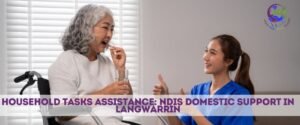


Home‑care supports are a core part of the National Disability Insurance Scheme (NDIS). They help people with permanent disability live independently, maintain their health and safety, and participate in community activities. This guide explains what home‑care supports are, who can access them, how they are funded, and how you can arrange them in Rosebud and surrounding areas such as Dromana, Rye, Mornington, Capel Sound and Sorrento.
What is NDIS Home‑Care?
NDIS home‑care supports are services that assist with everyday tasks at home. They can be delivered by a support worker or a team of workers and are designed to meet the individual’s plan goals. Common activities include:
- Personal care – bathing, dressing and toileting
- Household tasks – cleaning, laundry and meal preparation
- Medication management and health monitoring
- Assistive technology set‑up and maintenance
- Social and recreational support to encourage community participation
Home‑care is usually delivered in the participant’s own residence, but can also be provided in a shared living arrangement if that is part of the plan.
Eligibility for Home‑Care Supports
To be eligible for NDIS home‑care supports you must:
- Have a permanent disability that significantly affects your ability to perform daily tasks
- Be an NDIS participant with an approved plan that includes a “core supports” budget line
- Live in Victoria and be within the geographic reach of registered providers (Rosebud, Dromana, Rye, Mornington, Capel Sound, Sorrento)
Eligibility is confirmed by the NDIS planner or support coordinator when your plan is created or reviewed.
Types of Home‑Care Supports Available
NDIS classifies home‑care services under the “Core Supports” budget. Within this budget you can choose from the following service types:
- Personal Care and Assistance – help with activities of daily living (ADLs) such as bathing, dressing, feeding and toileting.
- Domestic Assistance – support with cleaning, laundry, meal preparation and light housekeeping.
- Health and Well‑being – assistance with medication management, health monitoring and support for chronic conditions.
- Assistive Technology Support – help with installing, setting up and troubleshooting devices that aid independence.
- Community Participation – support to attend community events, shopping trips and other social activities.
These categories can be mixed and matched to suit your plan goals. The NDIS Pricing Arrangements and Price Limits set maximum rates for each service type, ensuring that funding is fair and consistent across providers.
Funding Rules and How It Works
Home‑care funding is part of the participant’s core support budget. The amount you can claim depends on:
- The type of support you require (personal care, domestic assistance, etc.)
- The intensity and frequency of the support (e.g. 3 hours per week vs 8 hours per week)
- Whether the support is delivered by an individual or a team
The NDIS Pricing Arrangements provide a price limit for each service type. You can claim up to that amount for each session or hour of support. If you receive a service that exceeds the price limit, the provider may need to obtain a special agreement or adjust the service details.
Home‑care supports can be paid directly to the provider or, if you choose, to a plan manager who will handle invoicing on your behalf.
Booking and Arranging Home‑Care Support
Follow these steps to secure home‑care support in Rosebud:
- Identify Your Needs – Review your plan and list the activities you need help with. Discuss these with your planner or support coordinator.
- Search for Providers – Use the NDIS Directory or local community resources to find registered providers in Rosebud, Dromana, Rye, Mornington, Capel Sound and Sorrento. You can also ask for recommendations from local support groups.
- Check Credentials – Ensure the provider is NDIS‑registered, has the required qualifications, and holds up‑to‑date insurance.
- Request Quotes – Ask for a detailed quotation that lists the services, frequency and total cost per week.
- Compare Options – Look at the provider’s experience, reviews, and how well they match your needs. Remember that cost is only one factor; quality of care and cultural fit matter too.
- Confirm the Agreement – Sign a service agreement that outlines the scope of work, hours, payment terms and cancellation policy.
- Submit Claims – If you are using a plan manager, they will submit claims on your behalf. Otherwise, you will pay the provider directly and then claim the amount from the NDIS.
- Review Regularly – Schedule a review with your planner or support coordinator to assess whether the support still meets your goals.
How to Maximise Your Home‑Care Plan
Here are practical tips to get the most out of your home‑care funding:
- Set Clear Goals – Write down what you want to achieve (e.g. maintain independence in dressing, reduce falls, improve meal quality).
- Use the Right Budget Line – Allocate funds to the specific service type that best addresses your goal. For example, if you need help with meal preparation, use the domestic assistance line.
- Document Hours – Keep a simple log of hours received. This helps you track utilisation and ensures you are not over‑ or under‑using your budget.
- Explore Assistive Technology – Some devices (e.g. voice‑activated assistants, automatic medication dispensers) can reduce the need for frequent support sessions.
- Engage Family or Friends – Where appropriate, involve family members in care planning. They can provide additional support and help monitor the quality of services.
Local Options in Rosebud and Nearby Areas
Rosebud has a growing network of NDIS‑registered providers. You can find support workers who are familiar with the local environment, including:
- Community nursing services that cover the Mornington Peninsula
- Domestic assistance agencies with staff who speak multiple languages, reflecting the diverse communities in Dromana, Rye and Capel Sound
- Assistive technology specialists who offer on‑site installation and training in Sorrento and Mornington
Many providers also operate in neighbouring LGAs such as Melton, Brimbank and Hobsons Bay, offering a broader range of services and potentially more competitive rates.
Choosing a Support Worker
When selecting a support worker, consider:
- Qualifications – Look for relevant qualifications such as a Certificate III in Individual Support or a nursing qualification.
- Experience – Experience with specific disabilities (e.g. mobility impairments, cognitive conditions) can improve the quality of care.
- Personality Fit – A supportive and respectful attitude is essential. You should feel comfortable with the worker’s communication style.
- Background Checks – Ensure the provider has performed background checks and holds current police clearance.
- Insurance – The provider should have public liability and workers’ compensation insurance in place.
FAQs about NDIS Home‑Care Supports in Rosebud
- 1. What activities can I include in my home‑care budget?
- You can include personal care, domestic assistance, health monitoring, assistive technology support and community participation activities. Each activity must be supported by a plan goal and fall under the core supports budget.
- 2. How do I know if my plan covers the home‑care services I need?
- Review the core supports section of your plan. If you need a service that isn’t listed, discuss it with your planner or support coordinator to see if it can be added.
- 3. Can I use a plan manager to claim home‑care services?
- Yes. A plan manager will handle invoicing and claim submission on your behalf, simplifying the process.
- 4. What happens if I need more support hours than my plan allows?
- You can request a plan review to increase your budget. The planner will assess whether the additional hours are reasonable and aligned with your goals.
- 5. Are there any restrictions on the providers I can use in Rosebud?
- Providers must be NDIS‑registered and meet the scheme’s quality standards. Local providers may have additional local accreditation or community endorsements.
These questions are common among participants in the Mornington Peninsula and are frequently asked on the NDIS website.
Further Resources
For more information on related NDIS services in Victoria, you may find the following pages helpful:
- NDIS personal care services in Mornington
- NDIS occupational therapy in Melbourne
- NDIS plan management in Melbourne
This article is general information only. Check your plan and speak with your planner or support coordinator for advice tailored to your circumstances.