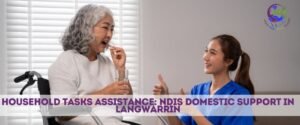


NDIS home care services help people with disability live more independently at home. In Wyndham, residents of Werribee, Point Cook, Tarneit and Hoppers Crossing can access a range of supports that fit their individual needs. This article explains who can get home care, what is included, how funding works, and the steps to book a service. It also highlights how Wyndham’s local community and nearby areas such as Melton, Brimbank, Maribyrnong, Hobsons Bay and Geelong can be part of your support network.
Who is eligible for NDIS home‑care supports?
To be eligible you must:
- Be an Australian resident.
- Have a disability that affects your daily life.
- Be aged 18 or older (or 16‑18 if you meet the plan‑review criteria).
- Show that you need help with daily tasks because of your disability.
Eligibility is decided by the NDIS when you apply for a plan. If you already have a plan, you can add home‑care supports as part of your strategy to maintain independence.
What is included in NDIS home‑care?
Home‑care is divided into two main categories:
- Personal care – help with bathing, dressing, toileting and feeding.
- Domestic assistance – help with cleaning, laundry, meal preparation and light housekeeping.
Other tasks, such as driving to appointments or grocery shopping, can be covered if they are part of a larger activity that promotes independence.
How does the latest NDIS Pricing Arrangements and Price Limits affect home‑care?
The NDIS publishes updated price limits each year. These limits set the maximum amount that can be spent on each type of support. Home‑care services must stay within those limits. The limits are reviewed regularly, so it is important to keep your plan updated with your support coordinator.
Funding rules for home‑care
Home‑care funding is part of the Capacity Building or Core Supports categories, depending on your plan. The amount you receive is based on:
- Your individual goals.
- The level of independence you want to achieve.
- How many hours of support you need per week.
Funding is paid directly to the service provider. If you use a support worker you pay them through the NDIS portal. If you use a community organisation, the organisation will invoice you and the NDIS will reimburse the cost.
How to book a home‑care support in Wyndham
- Check your plan. Look at the home‑care budget line and note the maximum number of hours you can use.
- Find a provider. Search the NDIS Provider Finder for home‑care workers or organisations that operate in Wyndham. You can also ask your local community hub for recommendations.
- Contact the provider. Discuss your needs, schedule and any special requirements. Make sure they are NDIS‑registered and have a good record.
- Sign an agreement. Agree on the frequency of visits, tasks, and payment arrangements. The provider will submit invoices to the NDIS.
- Start the service. Once the NDIS confirms payment, your support worker can begin assisting you.
Local support resources in Wyndham
- Wyndham Community Hub. Offers information on local services, volunteer opportunities and support groups.
- Melton and Brimbank Disability Services. Provide additional support options for residents who travel to nearby areas.
- Geelong Disability Office. Can help with specialist services that are not available within Wyndham.
5 FAQs about NDIS home care in Wyndham
1. What types of tasks can a home‑care worker help with?
They can assist with bathing, dressing, toileting, feeding, medication reminders, light cleaning, laundry, meal prep and sometimes driving to appointments.
2. How many hours of home‑care can I get in my NDIS plan?
The maximum is set by your plan. It depends on your goals and the level of support you need. Check the Capacity Building or Core Supports budget lines.
3. Can I use a family member as my home‑care support?
Yes, if the family member is registered and you have a written agreement. The NDIS will still pay the agreed amount, but you must follow the same invoicing rules.
4. How do I add or change a home‑care provider?
Speak to your support coordinator or planner. They will help you update your plan and submit a new provider agreement to the NDIS.
5. What if my home‑care needs change?
Schedule a plan review with your support coordinator. The review will assess your progress and adjust the funding if necessary.
Short disclaimer: This article is general information only. Check your plan and speak with your planner or support coordinator.
For more on home‑care options, see our pages on personal care services, home cleaning services, and therapeutic support services.
Home‑Care Supports in Rosebud
Rosebud, a vibrant beachside community on the Mornington Peninsula, offers many NDIS home‑care options for residents who want to stay independent in their own homes. Whether you live in Rosebud or the surrounding towns of Dromana, Rye, Mornington, Capel Sound or Sorrento, you can access services that help with daily living, personal care and household tasks.
Eligibility for NDIS home‑care in Rosebud
To qualify, you must:
- Be a resident of Australia with a permanent visa.
- Have a disability that significantly impacts your daily life.
- Be aged 18 or older, or 16‑18 if you meet plan‑review criteria.
- Show that you need assistance to maintain independence.
These criteria are the same across Victoria, so the location does not affect eligibility.
What is covered under NDIS home‑care?
Home‑care includes:
- Personal care – help with bathing, dressing, toileting and feeding.
- Domestic assistance – cleaning, laundry, meal prep and light housekeeping.
- Social and community participation – support to attend community events, shop or meet friends.
Services must be tailored to your individual plan goals and are funded under the Core Supports or Capacity Building categories.
How the latest NDIS Pricing Arrangements and Price Limits influence home‑care
Each year the NDIS sets a maximum price for each type of support. Home‑care providers must keep their fees within those limits. If you change providers, the new provider will need to stay within the same limits, ensuring your budget remains stable.
Funding for home‑care
Funding is based on:
- Your personal goals (e.g., staying in your own home).
- The number of hours of support you need per week.
- Whether you use a registered support worker or a community organisation.
Payments go directly to the provider. If you hire a support worker, the NDIS pays them through the portal. For community organisations, they will invoice the NDIS and you may receive a reimbursement.
How to book a home‑care support in Rosebud
- Review your plan. Look at the home‑care budget line and note the maximum hours available.
- Find a provider. Use the NDIS Provider Finder to locate home‑care workers or organisations in Rosebud or nearby towns.
- Contact the provider. Discuss your needs, frequency of visits and any special requirements. Verify their registration and experience.
- Agree on a service contract. Confirm the tasks, hours and payment method. The provider will submit invoices to the NDIS.
- Begin the service. After the NDIS confirms payment, the support worker can start helping you.
Local support networks in Rosebud
- Rosebud Community Hub. Offers workshops, volunteer groups and information on local services.
- Dromana and Rye Disability Support. Provide additional resources for those who travel within the Mornington Peninsula.
- Capel Sound and Sorrento Community Services. Offer specialised care for people with complex needs.
5 FAQs about home‑care supports in Rosebud
1. What tasks can a support worker do in my home?
They can help with bathing, dressing, toileting, feeding, medication reminders, light cleaning, laundry and meal preparation. They can also assist with driving to appointments if that is part of your plan.
2. How do I know if I need more or fewer hours?
Review your plan annually or when you feel your needs change. Your support coordinator can help you assess whether to increase or reduce hours.
3. Can I use a volunteer as a support worker?
Volunteers can assist informally, but the NDIS only funds registered support workers. If you use a volunteer, you must still follow the provider agreement and invoicing rules.
4. What happens if I move to a different suburb?
Change your address with the NDIS and update your plan. Your provider can adjust the service location, but the funding remains the same.
5. How can I access additional community resources?
Visit the Rosebud Community Hub or contact local disability organisations. They can connect you with peer support, social groups and additional care options.
Short disclaimer: This article is general information only. Check your plan and speak with your planner or support coordinator.
For more information, read about occupational therapy, physiotherapy, and personal care services.