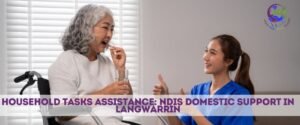

Living in Wyndham – with its suburbs of Werribee, Point Cook, Tarneit and Hoppers Crossing – can be a great experience for people with a disability who need help at home. The National Disability Insurance Scheme (NDIS) offers a range of home‑care supports to help you stay independent, safe and connected. This guide explains what you can expect, how you can access funding and what steps to follow when you’re ready to book support.
What is NDIS Home Care?
NDIS home‑care supports help you with daily tasks that you find difficult because of your disability. These supports can be personal (e.g. showering, dressing), domestic (e.g. cleaning, cooking) or therapeutic (e.g. physiotherapy, occupational therapy). The goal is to give you the skills and confidence you need to live as independently as possible.
Who is Eligible for NDIS Home Care?
To qualify for any NDIS support, you must meet the following criteria:
- Age: You must be under 65 years old (or over 65 if you have a severe disability).
- Disability: Your disability must be permanent, significantly affect your daily life and be expected to last at least 12 months.
- Location: You must live in Victoria and be able to receive support within the state.
- Funding: You need an approved NDIS plan that includes a budget for home‑care supports.
Eligibility is assessed by the NDIS during your registration and plan‑review meetings. If you are unsure whether you qualify, speak with your planner or a local support coordinator.
Inclusions and Funding Rules
Home‑care supports are covered under the Support Coordination and Core Supports categories in your NDIS plan. The amount you can spend is set by the latest NDIS Pricing Arrangements and Price Limits. These arrangements provide maximum rates for each service type and ensure that you are not over‑charged.
When you book a service, the provider submits an invoice to the NDIS. The NDIS pays the provider directly, and you do not pay out of pocket unless you choose to pay for services that are not covered in your plan.
How to Book Home‑Care Supports in Wyndham
- Check your plan – Look at the budget allocated for home‑care supports.
- Choose a provider – You can select any registered NDIS provider in Wyndham. Use the NDIS website or local directories to find providers.
- Contact the provider – Call or email to discuss your needs and confirm availability.
- Agree a service agreement – This document lists the type of support, frequency, and cost. It must match the funding in your plan.
- Start the service – The provider begins work on the agreed start date.
- Review and adjust – If your needs change, request a plan review with your planner or support coordinator.
It is a good idea to keep a written record of all communication with your provider, as this can help during a plan review or if you need to resolve a dispute.
Choosing a Provider in Wyndham
When you look for a provider, consider:
- Local reputation – Ask neighbours or local support groups for recommendations.
- Service range – Does the provider offer the specific type of support you need?
- Flexibility – Can they adjust hours or add new tasks if your needs change?
- Insurance and background checks – All NDIS providers must hold proper insurance and complete background checks.
- Cost – Compare rates, but remember that the NDIS pays the provider directly.
Wyndham is close to several nearby areas – Melton, Brimbank, Maribyrnong, Hobsons Bay and Geelong – so you can also look for providers that serve those regions if they have better availability.
Common Types of Home‑Care Supports
Here are the most frequently requested supports:
- Personal Care – Assistance with washing, dressing, toileting and mobility.
- Domestic Assistance – Cleaning, laundry, meal preparation and light housekeeping.
- Therapeutic Supports – Physiotherapy, occupational therapy or speech therapy delivered at home.
- Respite Care – Short‑term relief for carers, allowing them to rest or attend to other commitments.
- Social Participation – Support to attend community events, clubs or social groups.
Many providers offer bundled packages that combine several of these services, which can simplify budgeting and invoicing.
Additional Support Options in Wyndham
Beyond basic home care, you may also want to explore:
- Community Nursing – Regular visits from a nurse to manage chronic conditions or wound care.
- Allied Health Services – In‑home occupational or speech therapy, depending on your plan.
- Home Modification Grants – Funding for ramps, grab rails or widened doorways.
- Transport Assistance – Assistance with travel to appointments or community activities.
These services are also covered by the NDIS, but you will need to add them to your plan during a review or after an assessment.
FAQs About NDIS Home Care in Wyndham
1. How do I find an NDIS‑registered home‑care provider in Wyndham?
Use the NDIS website’s provider search tool or local community directories. Ask for referrals from your support coordinator or local disability organisations.
2. Can I pay for home‑care supports that are not in my NDIS plan?
You may choose to pay out of pocket for additional services, but you will not receive NDIS reimbursement for those costs.
3. What happens if my support provider goes out of business?
The NDIS requires providers to notify the scheme of any changes. You should then choose an alternative provider and inform the NDIS to update your plan details.
4. How often can I review my home‑care budget?
Plan reviews can be requested at least once a year, or sooner if your circumstances change. Your planner or support coordinator can guide you through the process.
5. Are there limits on how many hours of home‑care I can receive?
The maximum hours are set by the NDIS Pricing Arrangements and Price Limits. These limits ensure that funding is used appropriately and that you receive the best possible support.
Further Reading
For more information about specific types of support, you may find these pages useful:
- NDIS Home Cleaning Services in Mornington
- NDIS Personal Care Support Services in Mornington
- NDIS Occupational Therapy in Melbourne
These resources provide detailed guidance on how to access and manage NDIS supports across Victoria.
Remember: This article provides general information only. Check your individual NDIS plan and speak with your planner or support coordinator before making any decisions.