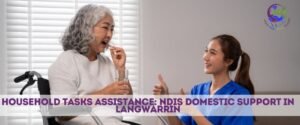

Home care supports help people with disability live as independently as possible in their own homes. In Wyndham, you can access a range of NDIS‑funded services that cover daily tasks, personal care, and household chores. This guide explains who is eligible, what is included, how funding is calculated, and the steps you need to take to book services.
Who Can Access NDIS Home Care Supports?
To be eligible for NDIS support you must:
- Be an Australian citizen, permanent resident, or hold a valid visa that allows you to stay in Australia.
- Have a permanent disability that affects your ability to participate in everyday activities.
- Be aged 65 or younger at the time of assessment.
- Live in Victoria and be able to access services locally.
Once you meet these criteria, you will need to have an NDIS plan that lists home care as a supported activity. The plan is developed with a planner or support coordinator and outlines the goals you want to achieve.
What Are Home Care Supports?
Home care supports cover a wide range of tasks that help you maintain your independence at home. Typical activities include:
- Personal care – bathing, dressing, toileting and grooming.
- Household chores – cleaning, laundry, cooking, and meal preparation.
- Medication management – ensuring you take medicines on time.
- Assistive technology – setting up devices that help with daily living.
- Support with community participation – arranging transport to events.
These supports are delivered by NDIS‑registered providers or by qualified carers who have undergone background checks.
Funding Rules and Price Limits
Funding for home care is calculated through the NDIS Pricing Arrangements and Price Limits. The latest arrangements set maximum prices for each activity type. The price you receive depends on:
- The support category – e.g., personal care or domestic assistance.
- The frequency and duration of support.
- The complexity of tasks required.
For example, if you need help with daily bathing, the plan will specify the number of hours per week and the provider will bill at the approved price per hour. If you need additional services beyond what is in your plan, you must seek approval for a budget increase.
How to Book Home Care Supports in Wyndham
- Check your plan – Verify that home care is listed and note the allocated budget.
- Search for providers – Use the NDIS provider finder or contact local community organisations in Werribee, Point Cook, Tarneit, or Hoppers Crossing.
- Ask for quotes – Request a detailed quote that matches the activities and hours in your plan.
- Confirm eligibility – Ensure the provider is registered and has the necessary qualifications.
- Sign an agreement – Agree on the scope of work, payment terms, and review dates.
- Start service – The provider will begin delivering care as per the agreed schedule.
- Review regularly – At least once a year, review the service with your planner to adjust the budget if needed.
When booking, mention that you are located in Wyndham and that you need support for the following tasks: personal care, domestic assistance, and medication management.
Local Context: Wyndham and Surrounding Areas
Wyndham is home to vibrant suburbs such as Werribee, Point Cook, Tarneit, and Hoppers Crossing. Residents often rely on local support services because the area has a high demand for disability services. Nearby regions such as Melton, Brimbank, Maribyrnong, Hobsons Bay, and Geelong also offer complementary services that may be useful if you travel for work or recreation.
Community centres in Werribee and Point Cook frequently host workshops on how to maximise NDIS funding for home care. These events can help you understand how to use your budget most effectively.
FAQs About NDIS Home Care in Wyndham
1. What is the difference between personal care and domestic assistance?
Personal care covers tasks that support personal hygiene and health, such as bathing or dressing. Domestic assistance focuses on household chores like cleaning, laundry, and meal preparation.
2. Can I use my home care budget for assistive technology?
Assistive technology is usually covered under a separate category called “Assistive Technology.” However, if a device directly supports a home care activity, you may negotiate a combined budget with your planner.
3. How often do I need to review my home care plan?
NDIS recommends a review at least once a year, but you can request an earlier review if your circumstances change (e.g., a new health condition or change in living arrangements).
4. Are there any restrictions on the type of provider I can use?
Providers must be NDIS‑registered and meet the required qualifications for the specific support category. They must also comply with the NDIS Code of Conduct and have a valid background check.
5. What happens if I exceed my allocated budget for home care?
If you anticipate needing more hours than your plan allows, you must discuss a budget increase with your planner before the next review. Unapproved extra hours will not be reimbursed.
Internal Links to Explore More
- NDIS Occupational Therapy Services in Melbourne
- NDIS Physiotherapy Services in Mornington
- NDIS Personal Care Support Services in Mornington
These resources provide additional information on allied health and personal care services that may complement your home care needs.
Short Disclaimer
This article is general information only. Check your plan and speak with your planner or support coordinator before making any decisions.