

Personal‑care services help people with a disability to manage everyday tasks such as washing, dressing, feeding and mobility. In Wyndham, participants can access a range of services that are tailored to their individual goals and needs. This guide explains who can use these supports, what they cover, how funding works and how to get started.
What Personal‑Care Services Are and Who They Help
Personal‑care services are a core component of the NDIS. They provide assistance with activities of daily living (ADLs) and instrumental activities of daily living (IADLs). Common tasks include:
- Bathing and showering
- Dressing and grooming
- Meal preparation and feeding
- Mobility and transfer assistance
- Medication reminders
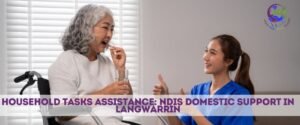
- Household chores such as laundry and light cleaning
These supports are suitable for participants who need help to maintain their independence, stay safe at home or pursue community participation. They can be delivered by a registered support worker, a family member, or a community agency.
Eligibility & Access Rules
Who Can Access Personal‑Care Supports?
All NDIS participants, regardless of age or disability type, can request personal‑care services if they demonstrate a need for assistance with daily living tasks. The support is available under the core supports category of the NDIS plan.
How to Prove the Need
During the planning meeting, the participant or their support coordinator will discuss the daily tasks that cause difficulty. Evidence may include medical reports, occupational therapy assessments, or a personal statement. The NDIS planner will assess whether the tasks are related to a disability and if the support is reasonable and necessary.
Accessing the Service
Personal‑care services can be requested directly through the participant’s NDIS plan. The planner will allocate funding for the support, and the participant can then engage a registered provider or a qualified carer.
What’s Included and What’s Not Included
Included Activities
Under the latest NDIS Pricing Arrangements and Price Limits, the following activities are funded:
- Assistance with bathing, showering and toileting
- Dressing and grooming support
- Meal preparation and feeding assistance
- Mobility and transfer support (e.g., chair transfers, walking aids)
- Medication reminders and simple medication administration (if authorised)
- Light household chores that are essential for personal hygiene and safety
Excluded Activities
Activities not covered by the personal‑care budget include:
- Full‑time nursing care or complex medical treatment
- Assistance with advanced medical equipment (e.g., ventilator care)
- Household chores that are not directly linked to personal hygiene or safety, such as deep cleaning or gardening
- Transport to and from appointments unless it is part of the personal‑care plan
Funding & Planning Considerations
Budget Allocation
Personal‑care support is part of the participant’s core support budget. The amount allocated depends on the individual’s goals and the estimated hours of support required. The planner will use the latest NDIS Pricing Arrangements and Price Limits to calculate the maximum reimbursable amount per hour.
Choosing a Provider
Participants may select a registered provider or arrange for a family member or friend to provide the support, provided they meet the NDIS requirements for safety and training. If a provider is chosen, the participant must sign a service agreement that outlines the scope, hours, and payment terms.
Monitoring and Review
Funding for personal‑care services is reviewed annually or sooner if circumstances change. Participants should keep records of hours used and any changes in their needs. This information will be used during the next planning review to adjust the budget.
How to Request/Activate the Support
Step 1 – Review Your Plan
Check your current NDIS plan to confirm that personal‑care support is listed under core supports. If it is not, you can request an addition during a planning meeting.
Step 2 – Identify a Provider
Use the NDIS provider finder or contact local agencies. In Wyndham, there are several registered providers that specialise in personal‑care services. You can also ask for referrals from your support coordinator or community health service.
Step 3 – Sign a Service Agreement
Once you have chosen a provider, sign a service agreement that details the hours, tasks, and payment structure. Ensure that the agreement aligns with the NDIS pricing guidelines.
Step 4 – Record Hours and Submit Claims
Track the hours of support received and submit claims to the NDIS through the online portal or by mail. The provider will usually handle the claim submission on your behalf.
Step 5 – Review and Adjust
At the end of each funding period, review the usage against the budget. If you require more or fewer hours, discuss adjustments with your planner during the next review meeting.
Local Context: Wyndham, Point Cook, Tarneit and Werribee
Wyndham offers a range of personal‑care services that cater to the diverse needs of its residents. In the neighbouring suburbs of Point Cook, Tarneit and Werribee, participants can find providers that are familiar with local community resources and transport options.
Many local agencies operate across multiple suburbs, allowing participants to choose a provider that is close to home or to community hubs such as shopping centres or recreational parks. This proximity can reduce travel time and increase the quality of care.
For example, a participant living in Wyndham may find a provider that also serves Point Cook, ensuring continuity of care if they relocate within the region. Similarly, Werribee hosts several community centres that offer support coordination services to help participants navigate the NDIS system.
People Also Ask
What types of tasks are covered under personal‑care services?
Personal‑care services cover assistance with bathing, dressing, feeding, mobility, medication reminders and light household chores that directly support personal hygiene and safety.
Can I use my own family member to provide personal‑care support?
Yes, a family member can provide personal‑care support if they meet the NDIS safety and training requirements. The support must be documented and reported to the NDIS.
How often do I need to review my personal‑care budget?
The NDIS reviews your plan annually or sooner if your circumstances change. It is advisable to review the budget at least once a year to ensure it still meets your needs.
Are personal‑care services included in the NDIS plan by default?
No, personal‑care services must be requested and approved as part of your core support budget during a planning meeting.
Can I combine personal‑care support with other NDIS services?
Yes, you can combine personal‑care support with other core, capacity building or capital supports. Each service will have its own budget allocation within your plan.
Disclaimer: This article is general information only. Check your plan and speak with your planner or support coordinator for specific advice.