
Introduction
Specialist disability accommodation (SDA) in Wyndham offers people with high support needs a safe, accessible home that meets their unique requirements. The services are funded through the National Disability Insurance Scheme (NDIS) and are designed to help participants live independently while receiving the care they need. This guide explains the types of SDA, eligibility, funding, and how to apply, with a focus on Wyndham, Point Cook, Tarneit and Werribee.
What SDA Is and Who It Helps
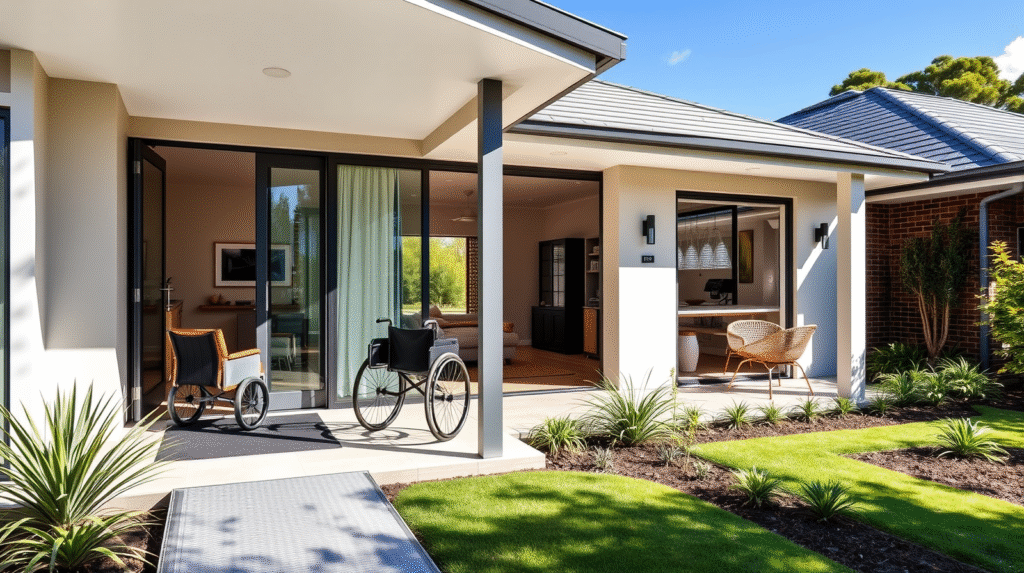
SDA provides purpose‑built or adapted homes that support participants with complex physical or intellectual disability. The accommodation is fitted with specialised equipment such as wheelchair ramps, adapted bathrooms, and safety alarms. It is intended for:
- Participants who need intensive daily support from carers or nurses.
- Those who cannot safely live in a standard private home due to mobility or safety concerns.
- Individuals who require a high level of medical or therapeutic care at home.
Unlike standard rental or shared accommodation, SDA is specifically designed for people who need a higher level of care and support.
Eligibility & Access Rules
To qualify for SDA, a participant must:
- Be an NDIS participant with a plan that includes SDA as a reasonable and necessary support.
- Have a documented medical or functional need that justifies specialist accommodation.
- Have an assessment from a qualified professional (e.g., occupational therapist, medical doctor) confirming the need for SDA.
Access is granted through the NDIS plan. The participant or their support coordinator must add SDA to the plan during a review or when a change in circumstances occurs.
What’s Included and What’s Not Included
Included in SDA Funding
Funding covers:
- The cost of the specialist accommodation itself.
- Any necessary adaptations to the property (ramps, widened doors, etc.).
- Ongoing maintenance of the specialised equipment.
- Support services that are part of the SDA package (e.g., nursing, therapy).
Not Included in SDA Funding
Funding does not cover:
- General household utilities such as electricity, gas, water, or internet.
- Food, clothing, or personal care items not directly related to the accommodation.
- Private carer fees if the participant chooses to engage a private support worker.
- Any services that are not listed in the participant’s plan.
Funding & Planning Considerations
Under the latest NDIS Pricing Arrangements and Price Limits, SDA is funded at a rate that reflects the cost of maintaining a specialist home. The amount is capped at the price limit for the specific type of accommodation and the level of support required.
When planning for SDA:
- Work with a qualified planner to determine the appropriate level of support (e.g., 24‑hour care, therapeutic services).
- Ensure the accommodation meets the NDIS design standards for accessibility.
- Include any required adaptations in the plan to avoid out‑of‑pocket costs.
- Regularly review the plan to adjust funding if the participant’s needs change.
How to Request/Activate SDA
- Assess Your Needs: Have a health professional complete an assessment outlining why SDA is necessary.
- Consult Your Planner: Discuss the assessment and identify the suitable SDA option.
- Submit a Plan Review: Request a plan review to add SDA as a support. Provide the assessment and any supporting documents.
- Receive Approval: Once approved, the NDIS will issue a funding allocation for SDA.
- Choose a Provider: Select a registered SDA provider in Wyndham or surrounding areas. For example, SDA providers in Wyndham offer a range of properties.
- Move In: Coordinate with the provider to arrange the move and install any necessary adaptations.
- Ongoing Management: Monitor the accommodation and support services to ensure they continue to meet the participant’s needs.
Local Context: Wyndham, Point Cook, Tarneit and Werribee
Wyndham Council area offers a variety of SDA options, from purpose‑built units in community hubs to adapted apartments in mixed‑use developments. Key points of interest:
- Point Cook: Several SDA providers in the suburb offer accessible apartments with built‑in safety features.
- Tarneit: The Tarneit SDA hub provides shared accommodation with on‑site nursing support.
- Werribee: Werribee’s SDA options include both private homes and group homes, often with integrated community services.
Participants can also explore SDA options across Wyndham to find a property that best fits their lifestyle and support requirements.
For those who prefer a more personalised approach, consulting a local NDIS specialist in Wyndham can provide tailored advice on choosing the right accommodation.
Frequently Asked Questions
What is the difference between SDA and standard accommodation?
SDA is specifically designed for people with high support needs and includes specialised equipment and adaptations. Standard accommodation does not guarantee these features and is not automatically funded by the NDIS.
Can I move from a standard home to SDA if my needs change?
Yes. A plan review can be requested to add SDA once a professional assessment confirms the need for specialist accommodation.
Do I need to pay for utilities if I live in SDA?
No. Utilities such as electricity, gas, water, and internet are not covered by SDA funding and must be paid separately by the participant.
How long does the approval process for SDA take?
After submitting a plan review with all required documentation, the NDIS typically takes 4–6 weeks to approve SDA funding, though this can vary based on case complexity.
What happens if my support needs change while I am in SDA?
Any change in needs should be reported to your planner. A plan review can adjust the level of support and funding, ensuring the accommodation continues to meet your requirements.
Disclaimer: This article is general information only. Check your plan and speak with your planner or support coordinator.