

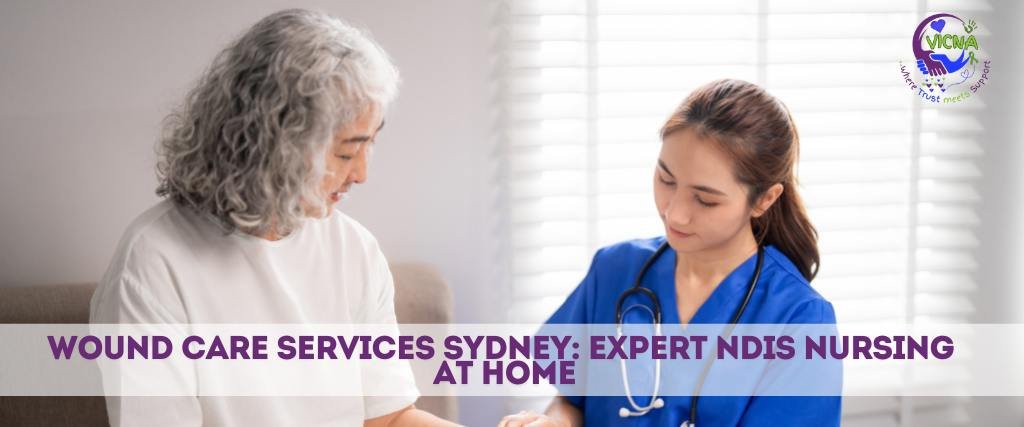
Living with a wound that does not heal properly can be painful, stressful, and even dangerous. For many people in Sydney, especially NDIS participants, getting the right support at the right time makes all the difference. Proper wound treatment is not just about cleaning and dressing. It requires medical knowledge, careful monitoring, and ongoing assessment.
Access to reliable Wound Care Services in Sydney residents can trust means fewer hospital visits, faster healing, and better comfort at home. With qualified nurses providing support through NDIS, individuals can receive safe and professional care without leaving their familiar environment.
What Are Wound Care Services?
Wound Care Services Sydney providers deliver a focus on the assessment, treatment, and monitoring of different types of wounds. This includes surgical wounds, pressure injuries, diabetic ulcers, burns, and traumatic injuries. Care is delivered by qualified nurses who understand how wounds heal and what can slow that process down.
Wound care at home involves more than dressing changes. A nurse will usually:
- Assess the wound and surrounding skin
- Identify signs of infection
- Clean and dress the wound correctly
- Monitor healing progress
- Communicate with doctors when needed
Many people search for a wound care clinic in Sydney when problems become serious. While clinics play an important role, home-based nursing can be just as effective for eligible patients, especially those with limited mobility or long-term conditions.
Why Professional Wound Management Matters
Poorly managed wounds can lead to infections, long healing times, and even hospital admission. This is why professional wound management in Sydney is so important. Trained nurses know how to select the right dressing, manage moisture balance, and reduce pressure on affected areas.
Without proper care, chronic wounds can become a long-term burden. Conditions like diabetes, vascular disease, or reduced mobility increase the risk of complications. Early intervention by a skilled nurse can prevent small wounds from becoming serious health issues.
Professional care also ensures that pain is managed properly. Many people underestimate how much discomfort wounds can cause. A nurse can adjust dressings and techniques to reduce irritation and promote comfort during healing.
NDIS and Home Wound Care Nursing
For eligible participants, NDIS funding can cover nursing support at home. This makes Home wound care nursing services in Sydney accessible to individuals who need ongoing treatment.
Instead of frequent trips to a clinic, a registered nurse visits the home to provide:
- Regular wound assessment
- Dressing changes
- Infection monitoring
- Education for family members or carers
- Support plans that align with medical advice
This approach reduces travel stress and lowers exposure to hospital environments. It also allows care to be delivered in a setting where the person feels safe and relaxed.
For people living with disabilities, this continuity of care is essential. It supports independence while ensuring medical needs are handled properly.
Chronic Wound Treatment in Sydney
Chronic wounds are those that fail to heal within the expected timeframe. This includes pressure injuries, diabetic foot ulcers, and venous leg ulcers. Chronic wound treatment services in Sydney focus on identifying the root cause of delayed healing.
Treatment often includes:
- Pressure relief strategies
- Blood circulation support
- Specialised dressings
- Nutritional guidance
- Ongoing medical review
Healing chronic wounds takes time and patience. It requires consistent follow-up and careful documentation of progress. Home-based NDIS nursing allows this monitoring to happen regularly without disrupting daily life.
Benefits of Receiving Wound Care at Home
Receiving wound care at home offers both medical and emotional benefits.
1. Comfort and Familiarity
Healing in a familiar space reduces anxiety. Many people feel more relaxed at home than in a clinical setting.
2. Reduced Risk of Hospital Readmission
Consistent monitoring helps detect early warning signs. This lowers the chance of complications that require hospital treatment.
3. Personalised Attention
Home visits allow nurses to observe the environment. They can identify risks such as pressure points, poor mobility support, or hygiene issues that may slow healing.
4. Education and Empowerment
Nurses often teach patients and carers how to recognise signs of infection and manage basic wound hygiene between visits. This builds confidence and improves outcomes.
5. Better Quality of Life
When wounds heal properly, pain reduces, mobility improves, and daily activities become easier.
When to Seek Expert Wound Care
You should seek medical attention if a wound:
- Does not show signs of healing after two weeks
- Becomes red, swollen, or painful
- Produces unusual discharge
- Has a foul smell
- Causes fever or general illness
Early intervention is key. Delaying treatment can make recovery longer and more complicated.
Choosing the Right Wound Care Provider in Sydney
Not all services are the same. When selecting a provider, consider:
- Are the nurses registered and experienced in wound care?
- Do they have experience with NDIS participants?
- Is there clear communication with your GP or specialist?
- Do they provide ongoing monitoring and follow-up?
A reliable team offering Sydney wound care services should focus on safe clinical practices and patient comfort: trust, transparency, and professional standards matter.
The Role of Evidence-Based Practice
Modern wound care relies on clinical research and updated guidelines. Dressings and treatment methods have improved significantly over the years. Nurses now use evidence-based techniques that promote faster healing and reduce infection risk.
This approach aligns with best practices in healthcare and ensures patients receive current, safe treatment rather than outdated methods.
Supporting Independence Through NDIS Nursing
For people living with disabilities, maintaining independence is important. Receiving wound treatment at home means individuals can stay connected to their routines, families, and community.
NDIS-funded nursing supports not only physical healing but also dignity and control. Participants are involved in their care decisions and can schedule visits around their daily activities.
This person-centred approach makes a real difference in long-term recovery.
Conclusion
Access to skilled wound care can prevent complications, reduce pain, and support faster healing. Whether someone needs short-term post-surgery treatment or long-term support for chronic wounds, professional nursing at home provides safety and reassurance.
With trusted Wound Care Services, Sydney residents rely on, NDIS participants can receive high-quality medical attention without the stress of frequent clinic visits. At VICNA, a registered NDIS service provider, our experienced nursing team focuses on safe wound management, clear communication, and respectful care in the comfort of your home. Choosing qualified professionals who understand wound healing ensures better outcomes and a smoother recovery journey.
FAQ
What types of wounds can be treated at home in Sydney?
Most surgical wounds, pressure injuries, diabetic ulcers, and minor traumatic wounds can be safely managed at home in Sydney under the supervision of a qualified nurse. Proper assessment and regular monitoring help ensure safe healing without frequent hospital visits.
Is wound care covered under NDIS in Sydney?
If wound care is related to a participant’s disability and included in their NDIS plan, funding may cover nursing support in Sydney. It’s always best to speak with your support coordinator or plan manager to confirm eligibility.
How often will a nurse visit in Sydney?
The frequency of nursing visits in Sydney depends on the type, size, and severity of the wound. Some individuals may require daily care, while others might only need weekly monitoring and dressing changes.
Can chronic wounds fully heal with treatment in Sydney?
Many chronic wounds can improve or fully heal with consistent and professional treatment in Sydney. Early assessment, proper dressings, and ongoing monitoring significantly increase the chances of recovery.
When should I go to a hospital instead of receiving home care in Sydney?
You should seek urgent medical care in Sydney if there are signs of severe infection, uncontrolled bleeding, spreading redness, fever, or sudden worsening pain. Immediate attention can prevent serious complications.